Evaluating Window Film Australia Options for Owner-Builders
Making Your New Build Comfortable From Day One
Choosing windows and glazing is a big deal for any owner-builder, but window film often gets pushed to the end of the list. That is usually when the first hot Aussie summer hits and the new living room feels more like a greenhouse than a home. Planning window film in Australia early can help you avoid that surprise.
The right film can cut harsh heat, soften glare on screens, and protect floors and furniture from UV damage, all from the day you move in. In this draft, we will walk through film types, climate needs, basic performance terms, and how to fit film into your overall design so your new place feels comfy from the start, not after a round of expensive fixes.
Why Owner-Builders Should Plan Window Film Early
With owner-building, every choice links to another. Window film is no different. The best film for your place depends a lot on:
Orientation of each room
Size of the glass areas
Type of glass and frame system
How you plan to shade outside and inside
These choices are much easier to sort out before lock-up. When you know where the big north and west windows are and what glass is going in, you can pick a film that actually fits the space instead of trying to fix problems later.
Early planning can help avoid overheating in that first summer, especially in modern homes with large sliders, corner glazing or high windows. If you only notice the issue after handover, you might end up changing blinds, adding awnings or pushing the AC harder than you expected. Working window film into your early design talks can reduce those headaches and keep your comfort plan realistic.
Understanding Window Film Types for Australian Homes
There are quite a few film types, but they fall into some simple groups for homes.
Solar control films, like dyed, metalised and ceramic films, are mainly for heat and glare control
Low-e and insulating films help with winter warmth and can smooth out temperature swings
Decorative and privacy films give frosted or patterned looks while still letting light in
Safety and security films are thicker and help hold glass together if it breaks
A few key terms help make sense of performance:
Solar heat gain reduction, how much of the sun’s heat the film helps block
Visible light transmission, how light or dark the glass looks
Glare control, how much the film softens harsh brightness
UV rejection, how much of the sun’s UV the film blocks from hitting your interiors
In day-to-day life, these numbers show up as rooms that feel cooler in summer, fewer reflections on TVs and less fading on timber floors and sofas. Aesthetic choices also matter. Some owner-builders like a neutral, barely-there look. Others are happy with a more reflective exterior for extra privacy. It is also worth thinking about night-time views, since very dark films can make glass feel a bit like a mirror at night when lights are on inside.
Matching Window Film to Australian Climate Zones
Australia’s climates vary a lot, from cooler areas like Tasmania and highland regions, to temperate cities like Sydney, Perth and Adelaide, and then up to hot or tropical areas like Brisbane, Darwin and northern WA. What works for one area is not always right for another.
In cooler zones, you may want:
Films that keep good winter light
Some insulating benefit to help hold warmth
Lower reflectivity so the home still feels bright and open
In temperate areas, many owner-builders try to balance summer heat control with winter comfort. That might mean a mid-range solar film on big west or north windows and something lighter on south or shaded glass.
In hot or tropical climates, heat and glare control often sit at the top of the list. Before a hot summer, a high solar performance film on west-facing and large north-facing glazing can make living areas and bedrooms feel far more bearable. You can still choose less reflective or slightly lighter options for shaded sides so the house does not look too dark overall.
Balancing Performance, Compliance and Home Design
It is not just about comfort. Window film also has to work with Australian glass standards and the rest of your building choices. Different parts of a home have different glass safety rules, such as wet areas, doors and low-level glazing. Some films can help upgrade certain glass types, but it all has to be checked against the glass used and relevant standards.
Film can also affect window warranties, so it is smart for owner-builders to confirm film compatibility with their chosen glazing system before installation. Your builder, energy assessor and film installer can usually talk through this together.
Think of film as one part of a bigger plan that also includes:
Eaves and roof overhangs
External screens or awnings
Curtains, blinds and sheers
Double or performance glazing
When those parts work together, you are less likely to overdo one element and more likely to end up with a home that feels balanced all year.
Comparing Costs, Installation Choices and Film Partners
While we are not talking specific numbers here, there are a few things that commonly affect the cost of window film in Australia:
Type of film, for example high-performance solar, decorative or safety
Size and number of panes
Access, such as high windows or tricky stairwells
Experience and skill of the installer
The long-term value often shows up in quieter ways. Many owner-builders notice that rooms are easier to cool, that winter comfort feels more stable, and that floors, rugs and furniture keep their colour for longer, since UV is a big driver of fading. Window film is often quicker to add to existing plans than changing glass specs, and in many cases it makes sense as a comfort and asset protection choice, not just a strict payback exercise.
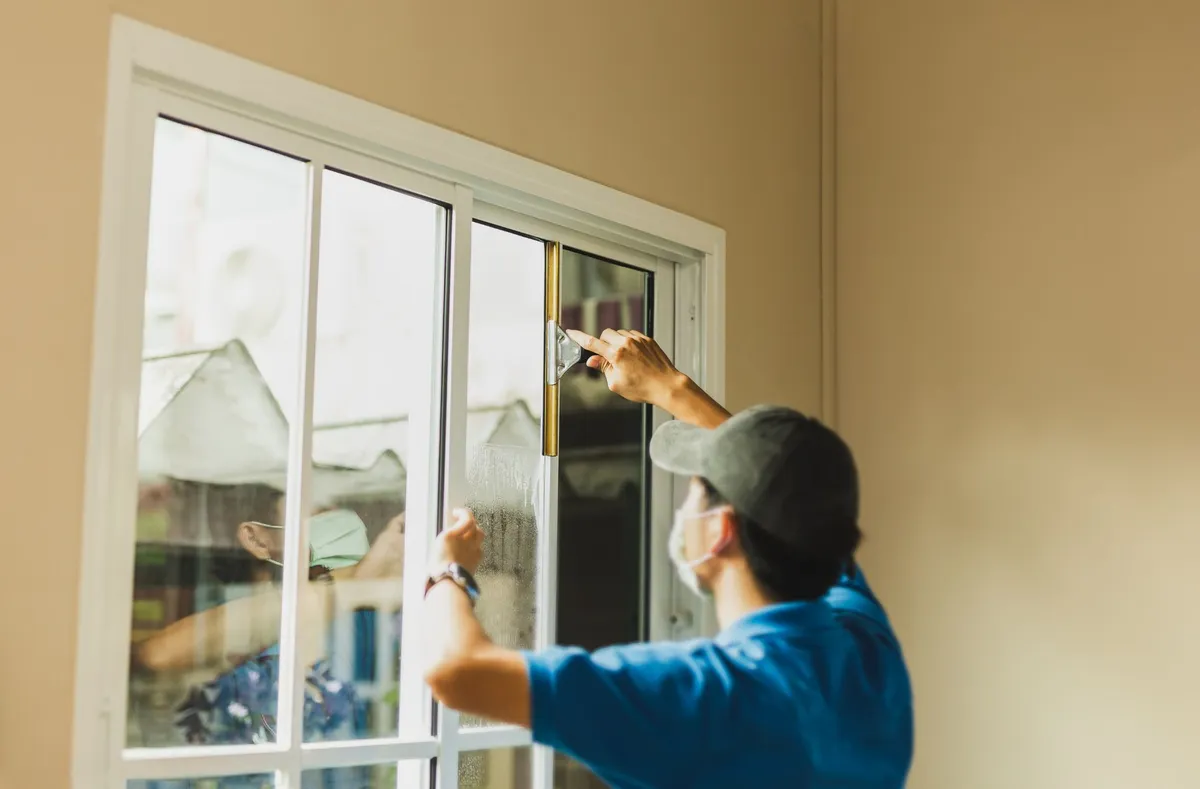
On the installation side, there is a big difference between DIY kits and professional work. Professional installers use dedicated tools, detailed prep and tested methods to reduce the risk of bubbles, edge lift or damage to the glass. Many architectural and higher-grade films are actually designed to be installed only by trained trades, so they perform as they should over time.
DIY might seem tempting for small internal panels or simple privacy bands, but for larger areas, double-glazed units, high glass or any safety or solar control film, professional installation is strongly recommended. That way, you support the film’s warranty and protect the rest of your build.
Choosing a good film partner also helps. Things to look for include clear performance data, solid product information, local knowledge of how films behave in Australian conditions and straightforward quoting. Trade-focused wholesalers and well-trained installers understand both the building side and the film side, which usually leads to better advice for owner-builders.
At Direct Film Solutions, we work with trade customers and installers across Australia, supplying a wide range of flat glass, automotive, decorative, safety and paint protection films, along with tools and training. When your installer sources through a specialist wholesaler, you benefit from that technical backup and product choice in the background, even if you never see it directly.
Next Steps to Optimise Your New Home’s Glazing
Before you lock in your glazing and shading, it helps to write down a short list of priorities. Think about your climate, which rooms are likely to overheat, how much natural light you want, what level of privacy you need and how you want the home to look from the street. From there, window film in Australia becomes another design tool, not an afterthought.
Raising window film during your early design or energy assessment talks gives everyone time to plan. Your builder, designer and film installer can work together so glass type, frame choice, shading and film all line up. By pairing their know-how with the film options supplied through Direct Film Solutions, you can give your new home a better chance of feeling comfortable, protected and easy to live in from the first day you pick up the keys.
Get Started With Your Project Today
If you are ready to improve comfort, privacy and protection in your vehicle, our team at Direct Film Solutions is here to help you choose the right window film in Australia for your needs. We will walk you through your options, explain the benefits clearly and give you straightforward pricing before any work begins. Reach out to our friendly team to talk through your project or request a quote via our contact page today.
