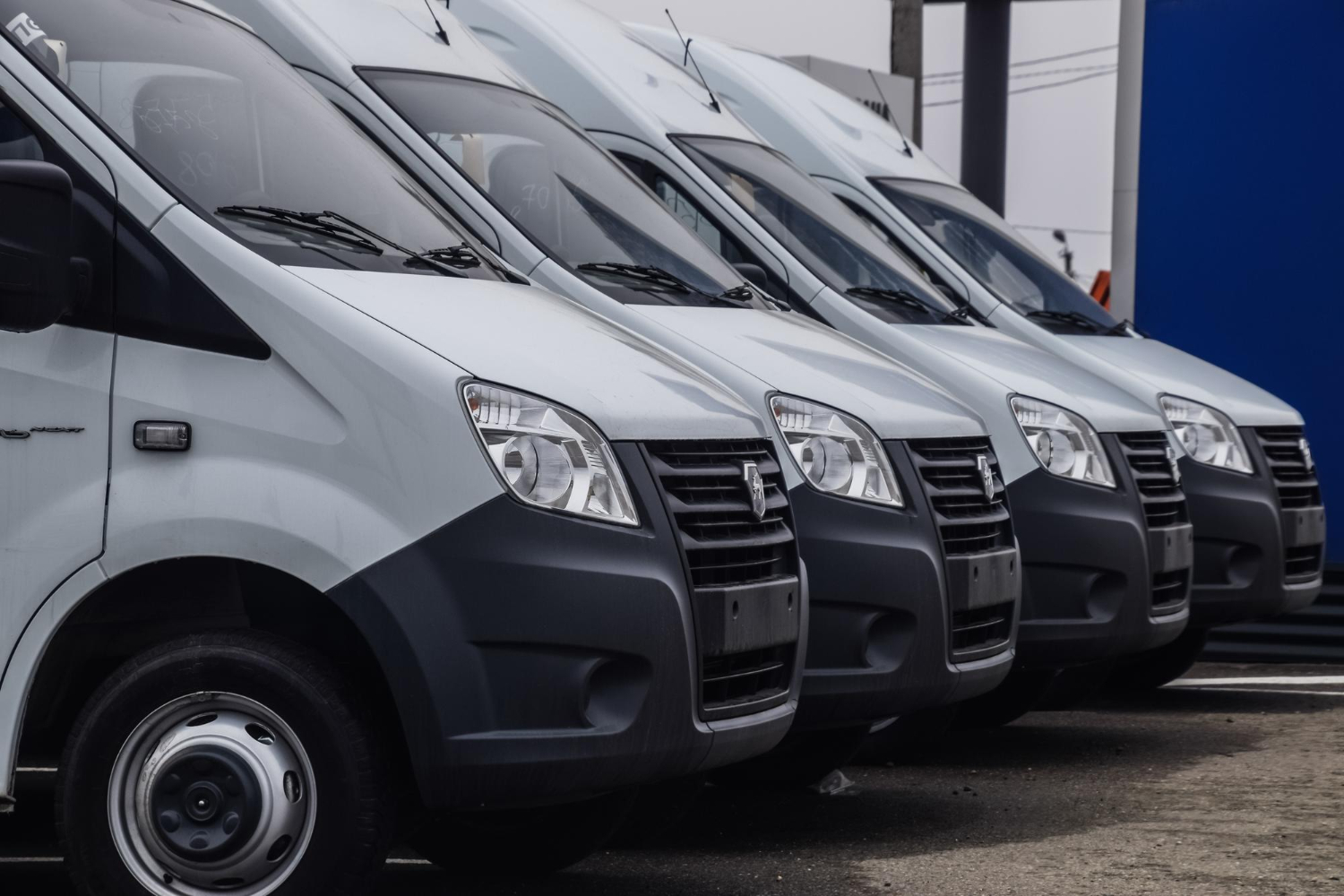
Questioning Paint Protection Films for Busy Australian Fleets
Rethinking Paint Protection for High-Mileage Fleets
Busy fleet vehicles in Australia do not have an easy life. Long highway runs, regional gravel, city stop-start, harsh UV, road debris, and summer heat all hit at once. At the same time, there is pressure to keep every vehicle on the road, looking sharp and on brand.
Paint protection film often gets sold as the magic fix for all of this. It can be great, but fleet needs are very different to a personal weekend car. High kilometres, quick turnarounds and strict de-fleet policies change the equation. In this draft, we want to question where paint protection film really makes sense for fleets, where it might not, and how to build a smarter protection plan before the next hot season ramps up.
What Paint Protection Film Actually Delivers for Fleets
Paint protection film, or PPF, is a clear plastic film that sits on top of the paint. Modern films are usually thick enough to take the hit from small stones and light debris before the paint does. Many have a clear top coat that can self-heal from light marks when warmed by the sun or hot water.
In day-to-day fleet use, the benefits that matter most are pretty simple:
Less visible stone chips and light scratches on high-impact areas
Better protection for paint under bug splatter and road grime
Cleaner, sharper look for signage, wraps and brand colours
Better paint condition when the vehicle is ready to be sold
For fleet managers, the question is not “Does paint protection film work?” but “Where does it help the most?” Some areas tend to give the best pay-back:
Front bumpers, bonnets and mirror caps on highway vehicles
Sills, door edges and load areas on utes and vans
Leading edges on vehicles that see regional routes and gravel
Premium or executive vehicles where appearance carries more weight
Used in the right spots, PPF can keep those areas looking fresher for longer, which can mean less paint correction before de-fleet.
Hidden Costs and Operational Trade-Offs Fleet Managers Miss
PPF is not just about the roll of film. There are other costs and trade-offs that are easy to miss when you look at a fleet as a whole.
Each vehicle needs time off the road for installation. That means planning around deliveries, bookings or driver schedules. There can also be rework if film needs to be adjusted or a panel is replaced after a bigger impact. When you spread that across many vehicles, the downtime alone becomes a serious factor.
It helps to look at your usual patterns:
How long you keep vehicles before sale
How often panels are repaired or replaced after larger damage
How quickly new vehicles need to be on the road earning income
How strict your de-fleet condition and resale expectations are
If you are turning a vehicle over every three to five years, full-body PPF on every panel may be more protection than you ever actually use. Many fleet vehicles will have at least one panel replaced or repainted in that time, which also means redoing the film.
Care and maintenance matter as well. Paint protection film is tough, but it still needs the right washing routine. Harsh brushes, aggressive cleaners or poor wash habits can mark the film or shorten its life. Driver behaviour plays a role too. Leaning toolboxes, dragging cargo across bumpers or scraping tight bays can damage both paint and film.
For fleets without clear wash policies or with heavy use in tight yards, the film can end up taking abuse that no product is built to handle forever.
When Paint Protection Film Makes Sense for Australian Fleets
So where does paint protection film make clear sense for fleets running in Australian conditions? We see some common patterns.
Good use cases often include:
High visibility branded vehicles that act as rolling billboards
Long haul highway trucks and vans constantly taking stone hits
Vehicles on regional or mining routes with heavy gravel and dust
Executive cars or customer-facing vehicles that must look near new
Our climate adds extra pressure. Strong summer UV, coastal salt air and long, hot days put more stress on paint and film. Pre-Christmas freight peaks mean more time on the road, more bugs, more trucks in convoy and a higher chance of front-end damage. Extra protection on leading edges can help hold things together through that busy stretch.
PPF also does not have to be all or nothing. Smart combinations can work well:
Selective PPF coverage on bonnets, bumpers and mirrors
Clear film on load edges and high-touch points on vans and utes
Pairing film with quality wash programs and simple care training
Using ceramic coatings on the rest of the body for easier cleaning
The idea is to focus your protection spend where the damage really happens, rather than wrapping every panel as a default.
Choosing the Right Film and Installer Partner
If you decide PPF belongs in your fleet mix, the type of film and the people installing it matter just as much as the decision to use it.
For fleets, the film should offer:
Consistent performance across many vehicles and models
Good optical clarity so signage, logos and colours stay sharp
Compatibility with modern OEM paint systems
Strong performance in Australian heat and UV
Installation quality is a big deal too. You want trained, experienced installers who understand fleet work, not just one-off prestige jobs. That means:
Planning installs to limit downtime and meet delivery dates
Working from clear templates and processes for repeatable results
Handling multiple vehicles and locations without quality drop-off
At Direct Film Solutions in Australia, we focus on supplying paint protection films at a wholesale level, along with professional tools and training support for installers. Our aim is to give trade customers and fleet partners stable film performance and reliable supply so you can roll out protection across a few vehicles or a whole national mix with confidence.
Turning PPF Questions Into a Clear Fleet Protection Plan
The smartest move for most fleets is not a blanket yes or no on paint protection film. It is a clear plan that fits how your vehicles really work.
A good first step is to review:
Where you are using PPF now, if at all
Which areas of the vehicles collect the most damage
How much time you can spare for installation and repairs
How current paint condition affects resale and brand image
From there, many fleets trial a pilot program on selected routes or vehicle groups. That might mean testing partial coverage on high-impact zones, or comparing vehicles with and without PPF over a busy summer or freight peak. Tracking damage, downtime and resale preparation on those groups can give you real evidence before you scale up.
As a wholesale partner, Direct Film Solutions can support installers and trade customers who work with fleets, with access to a broad range of paint protection film options, tools and training suited to Australian conditions. By focusing on the right areas and the right products, fleets can move from guessing about PPF to running a clear, practical protection strategy that fits real-world use.
Get Started With Your Project Today
Protect your car with industry-leading coverage tailored to Australian conditions using our premium paint protection film. At Direct Film Solutions, we’ll walk you through your options and recommend the right solution for how you actually drive. If you are ready to book or have a few questions first, simply contact us and we will help you plan the next steps.
