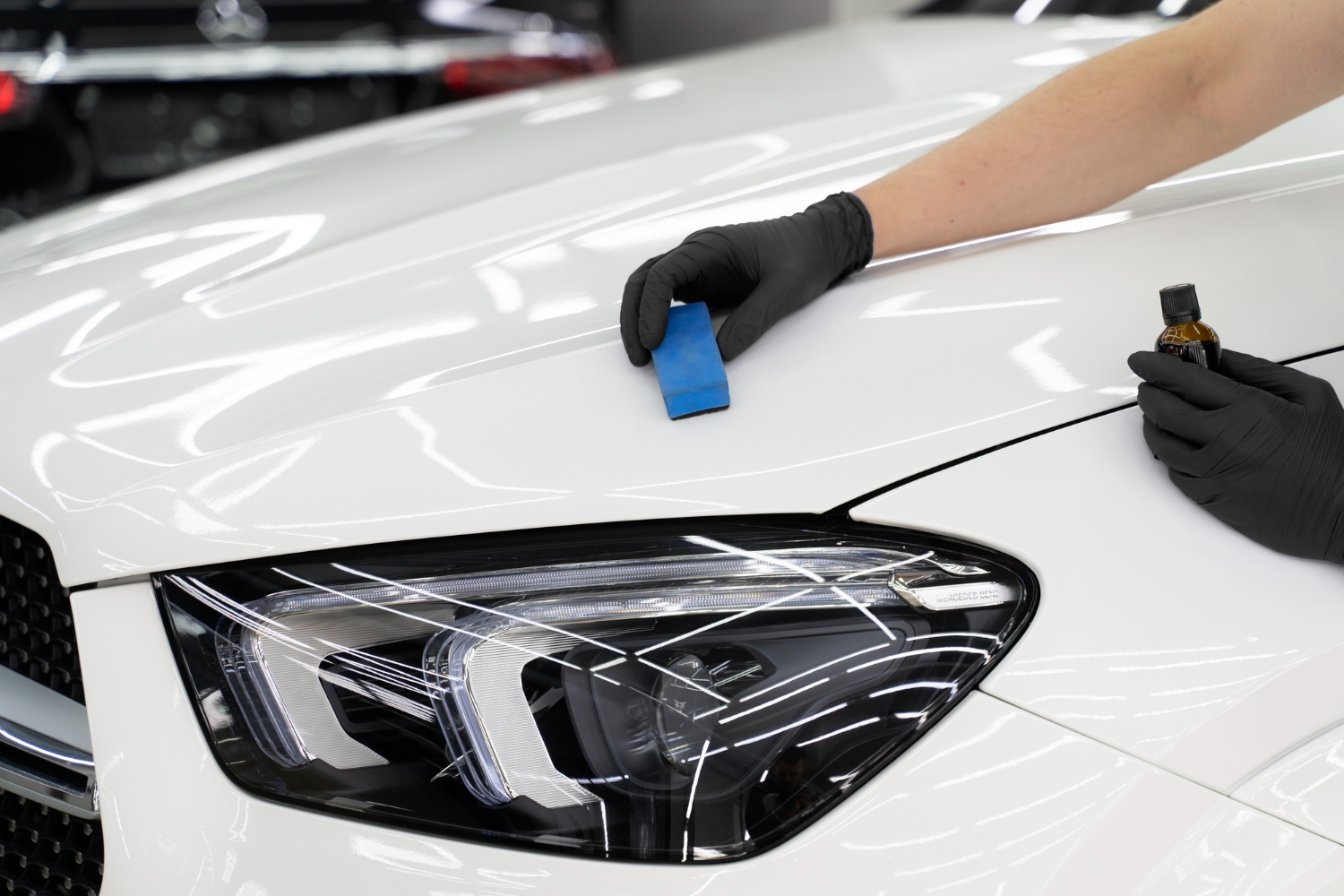
Inside Paint Protection Films for Australian Tint Shops
Why Paint Protection Films Matter for Aussie Shops
Paint protection film is no longer just a fancy extra for show cars. Across Australia, more drivers want their vehicles to stay cleaner, look newer, and stand up to long drives in harsh sun, dust, and road grime. Tint and wrap shops are right in the middle of this shift, especially as late winter rolls into peak driving season.
We see more new car owners asking about protection before they even pick up the keys. 4WD owners, touring rigs, and commercial fleets want protection that actually lasts on our roads, not just on paper. That is where paint protection film steps up from a small upsell to an expected premium service that keeps customers coming back.
For shops, this is a chance to add a high-value service that fits neatly beside tinting and wraps. The key is choosing film that works in Australian conditions, having a reliable supply, and putting in place processes that keep installs clean, fast, and consistent.
What Paint Protection Film Actually Does on a Car
Modern Paint Protection Film (PPF) is a clear, flexible layer that sits on top of the paint. Most quality films are built from a few main parts that work together:
A polyurethane base layer that gives impact resistance
A clear coat layer that adds gloss and surface protection
An adhesive layer that grips the paint without damaging it
In many films, a self-healing top that softens light marks with heat
That structure matters in our climate. On Aussie roads, panels cop stone chips, bugs, tar, road salt in some areas, and constant UV. A good film helps:
Take the hit from small stones and grit before the paint does
Stop bug splatter and bird droppings from sitting directly on the clear coat
Make it easier to clean off red dust and road grime
Limit light swirls and wash marks
This can reduce warranty headaches and aftercare complaints, because the paint is better protected from day one.
There are a few common myths we hear all the time. One is that all paint protection film goes yellow quickly. Cheaper or old-style films can discolour, especially in strong UV, but quality, modern films are built to resist this and stay clear for years when installed and cared for properly.
Another myth is that a good wax is enough. Waxes and sealants sit on the surface and help with shine and water beading, but they do not have the thickness or impact resistance of film. Ceramic coatings are great for gloss and ease of cleaning, but they also do not replace film on high-impact areas. A simple way to explain it to customers is: ceramic helps the surface, film takes the hit.
Choosing the Right PPF for Australian Heat and UV
Not all paint protection film is made for the same conditions. In Australia, your choice needs to handle high UV, hot panels, and big temperature swings, even in cooler months.
Key things to look for include:
UV stability so the film stays clear and avoids early ageing
Thermal resistance so it does not soften too much on hot bonnets and roofs
Clarity and gloss retention so it still looks good next to bare panels
Strong adhesion without lifting or delaminating when cabins heat up
Different clients use their vehicles in different ways, so it helps to match the film and coverage to how the car is driven.
Common use cases include:
Full-front wraps for highway commuters who cop a lot of stone chips
Full-body wraps on touring 4WDs and caravans that hit gravel and bush tracks
High-impact coverage on tradie utes and vans, like lower doors, sills, and tub edges
Premium packages for EVs, where customers often care a lot about paint and resale
Working with a specialist Australian supplier means you can choose films that are tested and supported for our local conditions, not just cold-climate lab tests. Reliable trade support, realistic warranties, and a steady supply of films and tools all help your shop offer PPF with confidence.
Practical Fitment Tips to Lift Your PPF Results
Good film is only half the story. The way you set up your workshop and your process has a big impact on how the install looks and how long it lasts.
For setup, focus on:
Clean, dust-managed bays so you are not fighting debris under the film
Bright, even lighting that shows edges, stretch, and trapped moisture
Good quality water, plus consistent slip and tack solutions
Temperature control, especially in cooler July to September periods, so film and adhesive behave predictably
Careful panel prep is non-negotiable. Proper wash, decontamination, and degreasing help the adhesive bond cleanly and reduce the chance of lift or silvering. Spending extra time here usually saves reworks later.
Process refinements that help:
Use quality patterns matched to the car where possible, and refine your trimming technique when bulk installing
Plan stretch and anchor points so you are not over-stressing the film on sharp curves
Pay attention to edges and high-touch areas, and seal where needed for extra security
Build in a post-install inspection, checking for bubbles, fingers, alignment, and trapped dust
Training makes a big difference, even for experienced tinters and wrappers. PPF has its own feel, so time with purpose-made tools and guided practice builds speed and consistency. A clear, repeatable process across your team keeps quality high and jobs profitable.
Positioning PPF as a High-Value Upgrade for Clients
Once you can install confidently, the next step is how you talk about paint protection film with your customers. Many people have heard of it, but they are not always sure what it actually does or how it fits with tint and detail work.
A helpful approach is to package services as protection systems rather than single add-ons. For example:
Window tint for heat and UV inside the cabin
Paint Protection Film for impact on the outside
Detailing or coatings for gloss and easy cleaning
That way, the customer sees a complete plan for their car, not a list of extras they need to choose between.
When you are explaining PPF, simple, real-world benefits resonate:
Preserving resale value by keeping factory paint in better condition
Protecting leased and novated lease vehicles from wear that might be charged at hand-back
Giving peace of mind for long winter road trips and busy summer holiday traffic
For marketing, visual proof works well. Before and after panels, demo bonnets in your showroom, or a single protected section on a display car help people see the difference instantly. Seasonal promotions around peak driving times, plus education on social channels, can keep interest steady. Support materials and product information from your supplier also help your team give clear, consistent messages.
Taking the Next Step with Paint Protection Film Success
If you already tint and wrap, you have a strong base to build a solid paint protection film service. It is worth stepping back and reviewing your current offer with a clear eye. Look at what products you install, how long jobs really take, where reworks creep in, and what your customers ask about most often.
From there, it is easier to spot the gaps. Maybe you need a more durable film for 4WD clients, tighter install processes on complex front ends, or better training for new staff. A specialist partner like Direct Film Solutions can support you with a range of paint protection films, tools, and trade-focused guidance that suit Australian installers and local conditions.
With the right film, process, and support, PPF can move from an occasional extra to a core part of your service menu, driving better results for your customers and stronger long-term profit for your shop.
Protect Your Car’s Finish With Proven Long-Term Defence
If you are ready to keep your paint looking newer for longer, our expert installation of paint protection film is the simplest way to lock in that flawless finish. At Direct Film Solutions, we take the time to understand how you use your vehicle so we can recommend the protection package that actually suits your driving and budget. Reach out today via our contact page and we will walk you through options, pricing and next steps.
