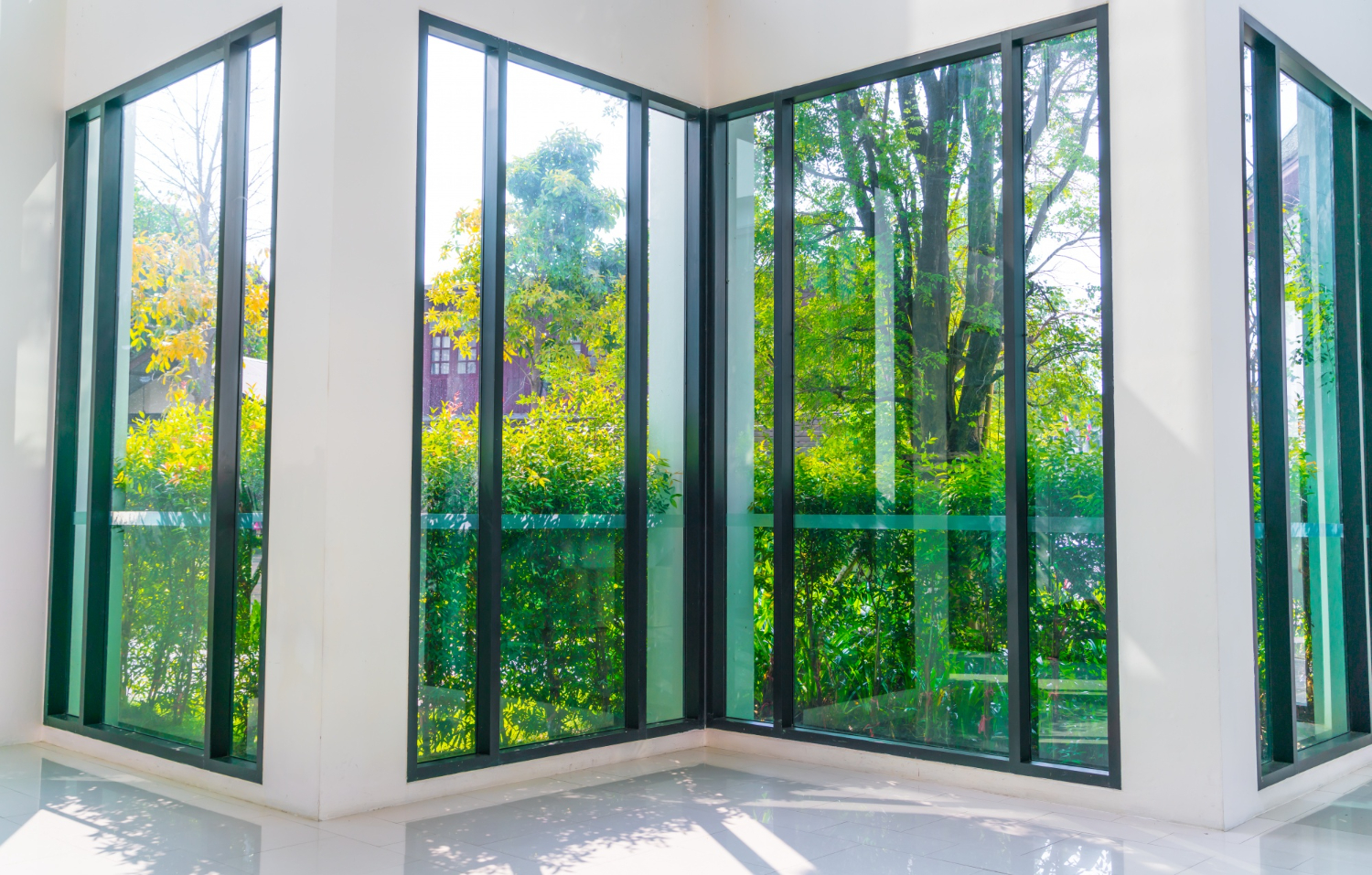
When Security Window Film Transforms Everyday Glass Risks
When Ordinary Glass Becomes an Everyday Hazard
Glass seems safe until something goes wrong. We stand beside big windows, lean on sliding doors, and drive behind windscreens without thinking about what happens if that glass suddenly breaks.
Across Australia, everyday life comes with plenty of glass risks. Summer storms can send branches and loose roof sheets into windows. Kids play cricket in the backyard and a stray ball can hit a sliding door. Busy shopfronts sit right on the footpath, with people walking past all day. Older homes often still have large, untreated panes that were never designed for modern safety expectations.
In many of these settings, standard glass is the weak link. It can shatter into sharp, flying pieces that turn a small accident into a serious injury. Security window film changes that. By adding a strong, clear layer on the inside of the glass, it helps turn fragile panes into a protective barrier, without changing how the glass looks or works.
In this article, we walk through how security window film works, where it is most effective, and what property owners, facility managers and installers should think about when choosing professional-grade products that suit Australian conditions.
How Security Window Film Reinforces Fragile Glass
Security window film is not just dark tint. It is usually a clear or lightly tinted, multi-layer polyester film, made with very high tensile strength. Installers apply it to the inside surface of the glass, using advanced adhesives that are designed to bond tightly and stay put.
When unprotected glass breaks, it tends to explode into loose, sharp shards. Those shards can cut skin, damage furniture and travel surprisingly far. With security window film in place, something different happens. The glass still cracks under heavy impact, but most of the pieces stick to the film instead of flying around the room. You get a broken window, not a spray of dangerous fragments.
Key performance factors include:
Film thickness and construction, matched to the risk level
Quality adhesives that stay strong in Australian heat and sun
Correct surface cleaning and prep before installation
Edge attachment systems where higher performance is needed
Security window film is also different to standard tint or solar control film. Tint is mainly about reducing glare, heat and UV. Security film is mainly about impact resistance and holding broken glass together. Some products are designed to combine both, so a window can gain impact resistance and also help with heat and UV at the same time.
Everyday Risks in Homes, Offices and Retail Spaces
At home, we often do not think about glass until a scare happens. There are many risk spots in a typical house:
Sliding doors and full-height windows near walkways
Glass around bathrooms, showers and stairwells
Windows close to the floor where children play
Older windows that may not meet modern safety glazing expectations
Children run indoors, adults carry laundry baskets and elderly family members may lose their balance near a glass door. During storm season in many parts of Australia, strong winds and flying debris add another layer of risk, especially for large, exposed panes.
In offices and commercial buildings, glass is used almost everywhere. Busy areas might include:
Street-facing shopfronts that attract both customers and opportunistic thieves
Internal glass partitions in open-plan offices
Entry doors, sidelights and reception areas
Schools, medical centres and council facilities with lots of public traffic
Security window film can support duty-of-care responsibilities by helping reduce the chance of glass-related injuries to staff, visitors and customers. For shopfronts and exposed windows, it also adds another obstacle for someone trying to smash and grab, slowing them down and drawing attention.
One big advantage is that security window film can often be retrofitted onto existing glass. That means:
Less disruption than replacing whole windows
A practical pathway to improve safety performance
A way to upgrade older buildings without major building work
Security Window Film in a Changing Climate
Weather across Australia can change fast. Many regions now see more intense summer storms, stronger winds and sudden pressure changes when fronts move through. Glass sits right in the firing line during these events.
When a window is hit by flying debris or stressed by sudden pressure, security window film helps keep broken pieces together. This can:
Reduce the spread of glass across floors and furniture
Lower the risk of cuts from flying shards
Help protect people taking shelter near windows
In hot Australian summers, some security films can also block a portion of UV and solar heat. While they are not a full replacement for dedicated solar films, they can help protect flooring, furniture and displays from fading, and may add a small comfort boost when combined with other tint solutions.
Seasonal planning makes a big difference. Autumn and early winter are often the best times to review glass safety, because:
Storm seasons are fresh in our minds
There is time to inspect buildings before the next round of severe weather
Installers can work without the peak summer heat hitting the glass
Thinking ahead means your glass is ready before the next big storm, not after it.
Choosing Professional-Grade Films and Tools That Last
Not all security window films are equal. Professional-grade options are designed for long-term clarity and strength, which matters in bright and harsh Australian conditions. They are built to stay clear, resist bubbling and keep holding broken glass when it truly counts.
When installers and trade buyers are selecting film, there are several points to weigh up:
Correct thickness for the risk level, from typical homes to higher-risk commercial sites
Compatibility with existing glass type and size
Whether an edge attachment system is recommended for the application
Installation to suit relevant Australian and New Zealand safety glazing standards
The right tools are just as important as the film. Quality tools support a clean, secure bond that lasts. Installers usually rely on:
Precision knives and cutting guides for accurate edges
Squeegees and hard cards to remove slip solution and air
Dedicated slip solutions to help position the film
Proper cleaning products that do not leave residue on the glass
At Direct Film Solutions, we focus on supplying professional-grade security window films, tinting tools and related materials for trade customers across Australia, backed by local knowledge of both climate and regulatory needs.
Turn Vulnerable Glass Into a Quiet Layer of Protection
Glass will always break if the hit is big enough, but it does not have to fail in a dangerous way. With the right security window film, everyday panes can shift from fragile weak points to quieter layers of protection that work in the background, day after day.
It is worth taking a slow walk around your spaces. Look for large panes near walkways, low windows where kids play, sliding doors, sidelights beside entrances and glass that faces busy streets or open paddocks that catch the wind. These are often the places where security window film can bring the most peace of mind for homes, offices, vehicles and retail areas.
When installers and facility managers choose professional-grade film and tools, and apply them correctly, they help protect people, property and the smooth running of daily life. Security window film is not just a cosmetic extra; it is a long-term safety and security upgrade that proves its value on the days we least expect.
Get Started With Your Project Today
If you are ready to improve comfort and privacy while boosting protection, we can help you choose the right security window film for your home or business. At Direct Film Solutions, we assess your windows, listen to your priorities and recommend options that match your budget and goals. To discuss your project, get a quote or book an on-site measure, simply contact us and our team will be in touch.
